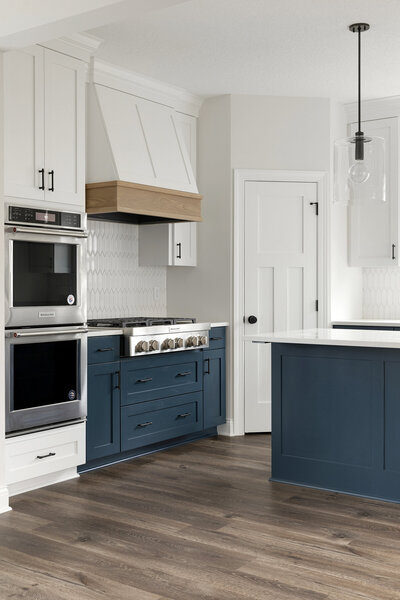
For anyone building or remodeling and including a butler’s pantry, this space deserves more thought than simply “extra cabinets.” A well-designed butler’s pantry can act as a prep zone, storage hub, coffee bar, and entertaining assistant all in one. Keep reading for more!
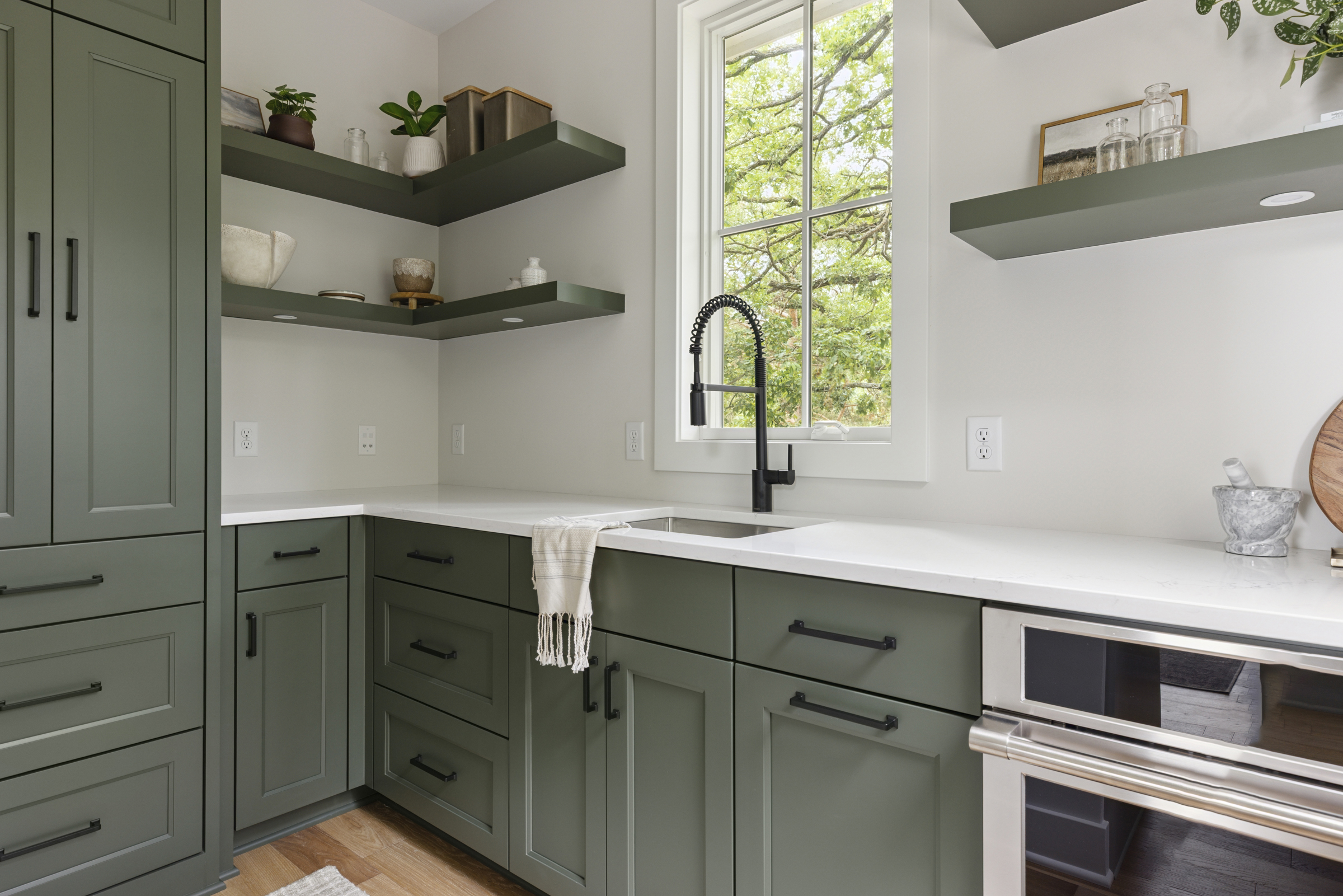
Pantry Appliances
- A sink
- Dishwasher
- Extra frige
- Beverage fridge
- Wine fridge
- Extra oven
- Speed oven
- Microwave
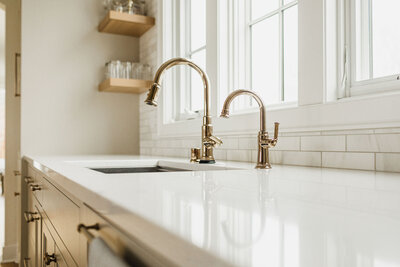
Firstly, appliances are what truly take a butler’s pantry from extra storage into a functional space of the kitchen. For example, a sink with a pull-down faucet allows for quick rinsing and easy cleanup. Pairing the sink with a dishwasher makes the space even more efficient, especially when entertaining. Glassware, barware, and serving dishes can be cleaned and put away out of sight!
Refrigerator options depend on how you will use the space. A beverage fridge is perfect for everyday drinks, while a wine fridge adds temperature-controlled storage. Some homeowners also opt for a secondary fridge for overflow groceries.
For cooking and hosting, an extra oven or speed oven is incredibly useful during holidays or large gatherings. You can also tuck the microwave into the a cabinet to keep counters clear and maintain a clean kitchen aesthetic.

Pantry Cabinet Features
- Pullout trash
- Open shelving
- Pullout drawers
- Spice organizer
- Mixer lift
- K-Cup organizer
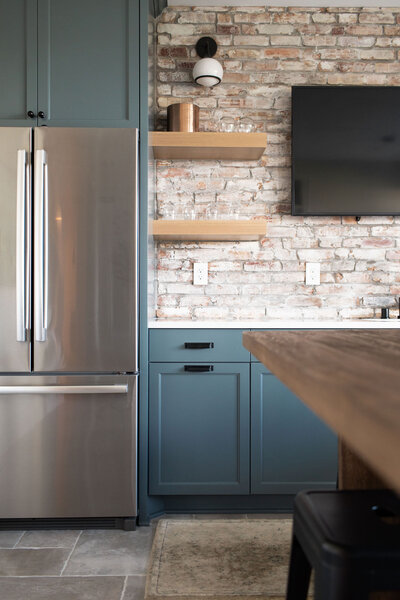
Cabinetry in a butler’s pantry should be designed for function, but without sacrificing style. A pullout trash is a must-have for food prep and cleanup. Meanwhile, shelves works great for food storage, baskets, or serving pieces you reach for often.
Inside base cabinets, pullout drawers are far more practical than standard shelves. They prevent items from getting lost in the back and make small appliances easier to grab. These storage features help the space feel organized rather than overcrowded.

Doors
- Hidden door
- Pivoting door
- Pocket door
- Glass door
Door choice also plays a big role in how a butler’s pantry feels from the main kitchen. A hidden door that blends into the cabinetry creates a seamless look, while a pivot door can be more practical. Both options allow the pantry to be closed off while still being highly functional behind the scenes.
Meanwhile, pocket doors are perfect for tighter layouts. They allow the pantry to be fully closed off when needed but disappear completely when open. They especially keep traffic flow smooth during entertaining or busy mornings.
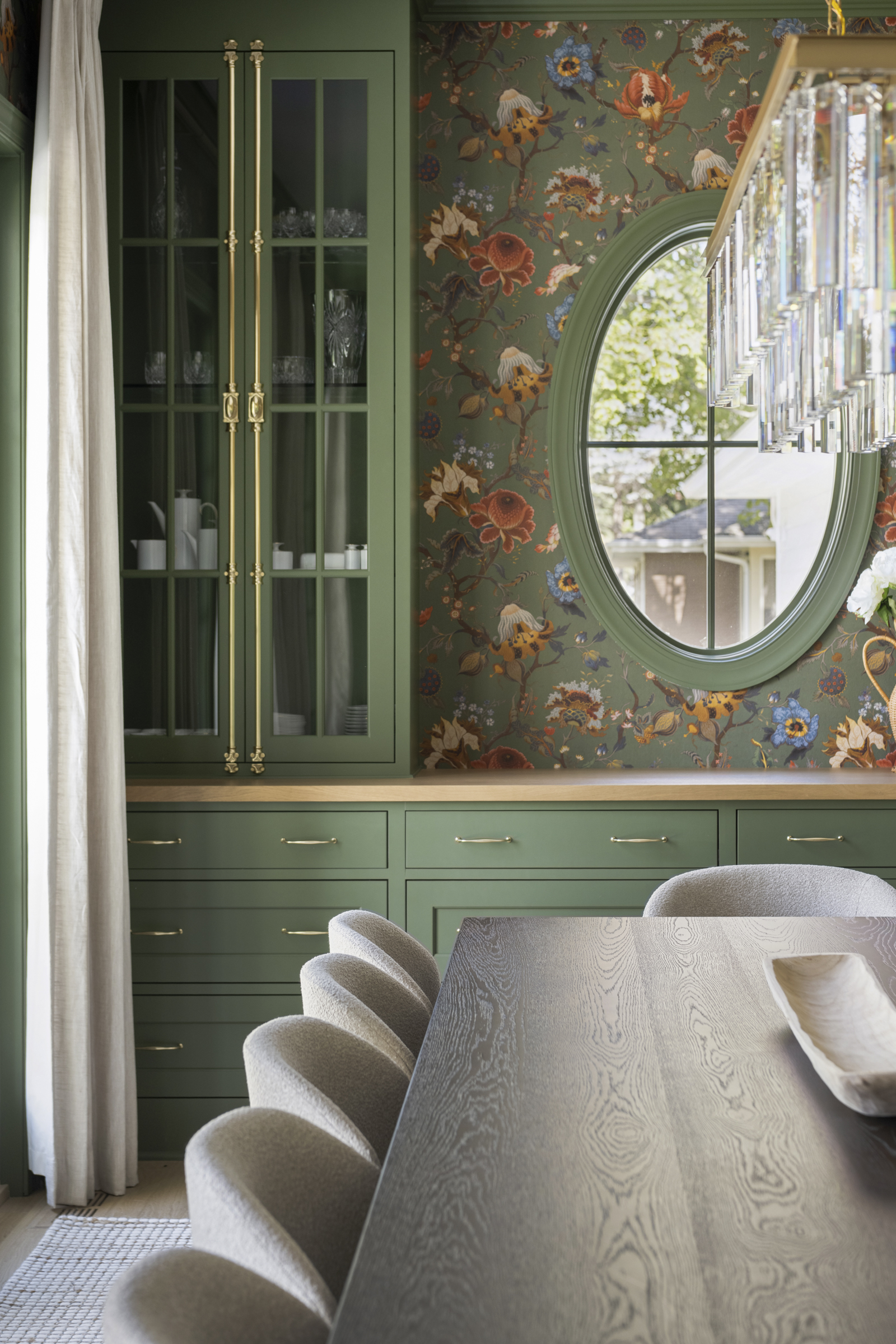
For homeowners who want their pantry to feel more connected to the kitchen, glass doors are a beautiful option. Clear, reeded, or fluted glass allows light to pass through while still offering some separation. Just make sure to think about whether you will keep your pantry organized!
Space Planning
- Cabinet sizes
- Countertops
- Shelf heights
- Outlet placement
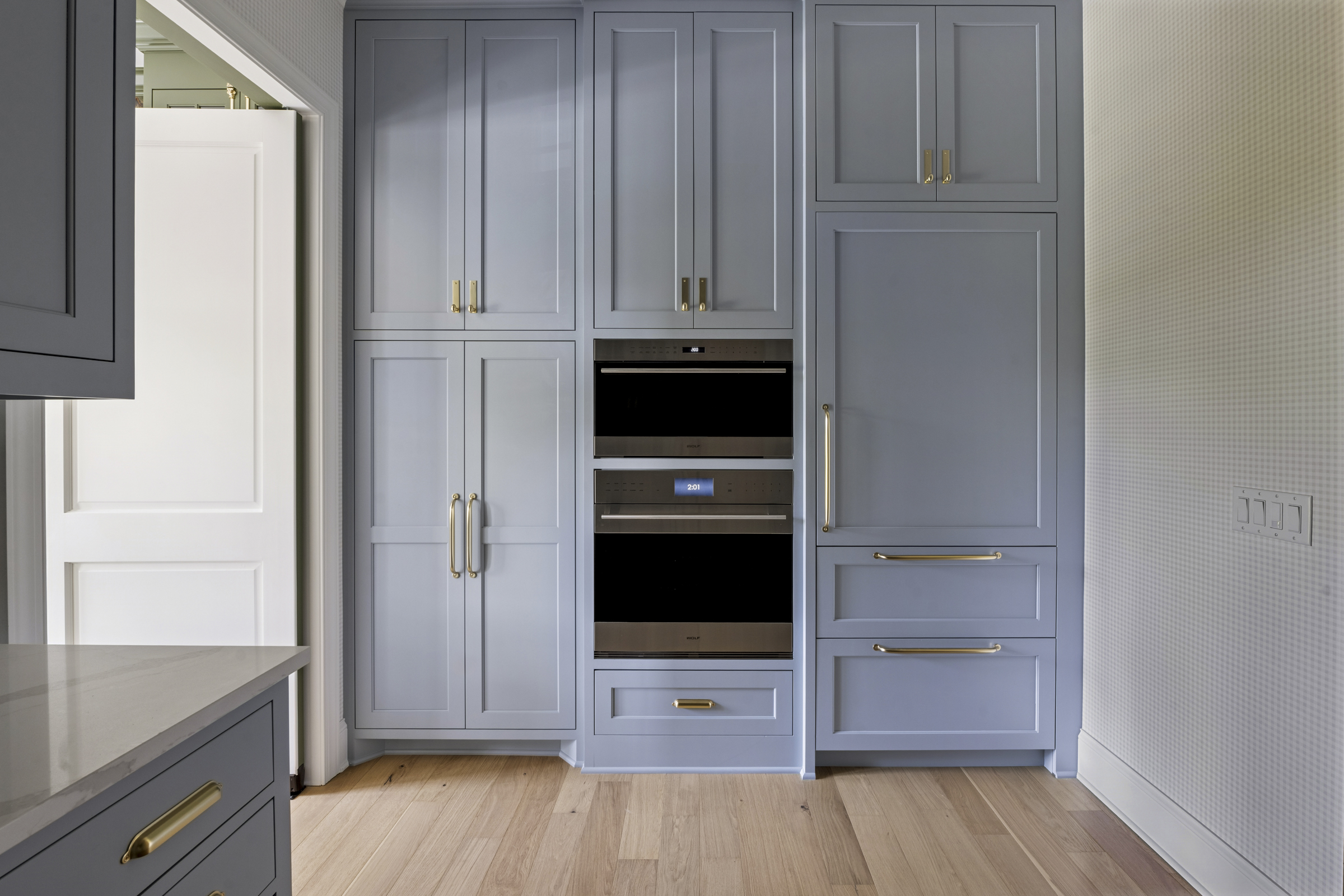
Proper planning is what separates a good butler’s pantry from a great one. Start by deciding whether you want standard cabinet sizing, typically 36 inches high and 24 inches deep. From there, think through counter and shelf heights carefully. Consider how tall your coffee machine is and how much clearance you need for small appliances.
Outlet placement is another key detail. Outlets should be at heights that align with shelves or appliance garages. Planning these details early ensures the space functions smoothly and avoids last-minute decisions.
A butler’s pantry shines when it’s designed with purpose. By planning the space down to shelf and outlet heights, you create a pantry that supports everyday routines. Whether you’re building new or remodeling, these features help ensure your butler’s pantry is designed well!
Looking for more home-related tips, tricks, and resources? Join our email list for the latest and greatest Alma Homes updates, and follow us on Instagram for more inspiring home and design content.
Love our website? Use code ALMAHOMESSENTME for 10% off any Tonic Site Shop website template.