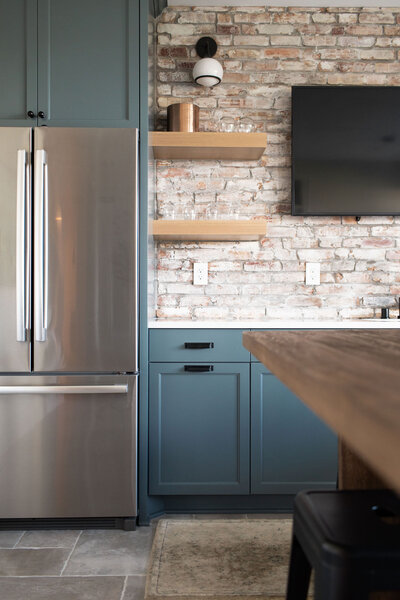
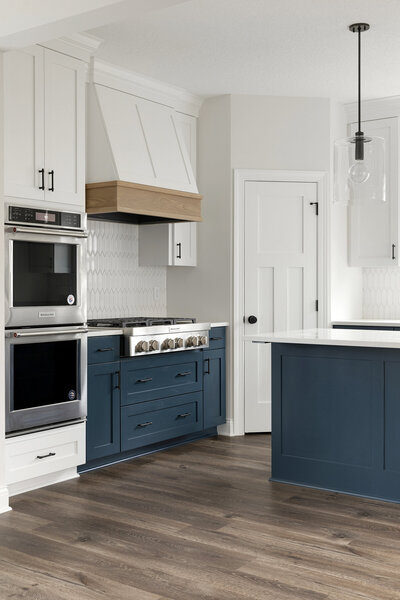
Kitchen hoods don’t always get the spotlight, but they should. They’re one of the most important functional elements in your kitchen and, when done right, one of the best design opportunities too. A good hood quietly handles smoke, grease, and odors. A great hood does that and becomes a focal point that ties your entire kitchen together!

Start With Size: Bigger Is Usually Better
When it comes to kitchen hoods, size matters more than most people expect.
A general rule is that your hood should be at least as wide as your cooktop, but ideally slightly wider. For example, if you have a 36-inch range, a 36–42 inch hood is typically recommended.
Depth matters too. A deeper hood will perform better because it can better “catch” rising air and cooking byproducts.
Clearance: Where Function Meets Safety
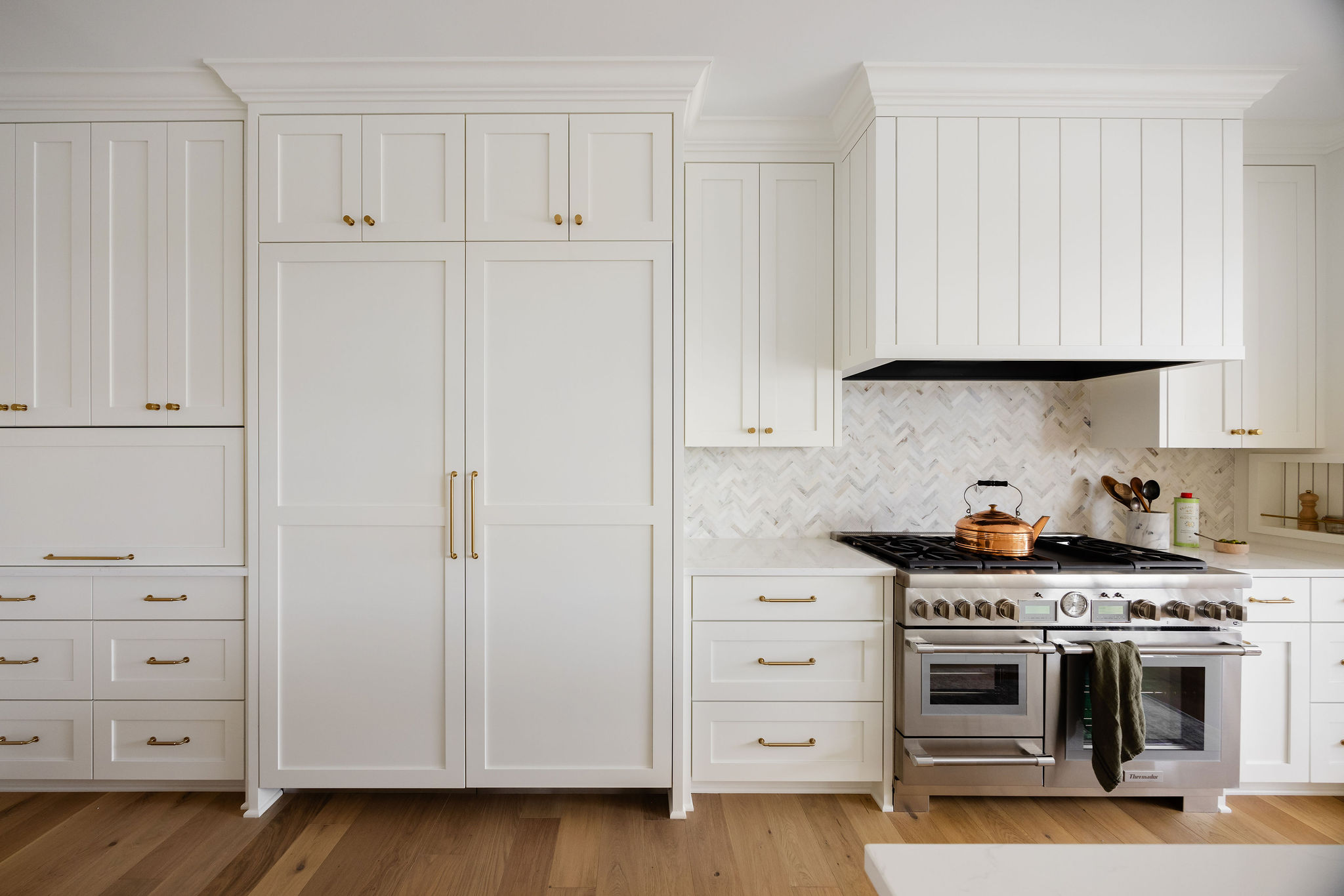
Proper clearance between your cooktop and hood is key for both performance and safety. Most standard guidelines recommend installing your hood about 30–36 inches above the cooktop. This range allows the hood to effectively capture smoke without getting in the way while cooking.
Make sure to check the specifications for your specific unit!
CFM: The Power Behind the Hood
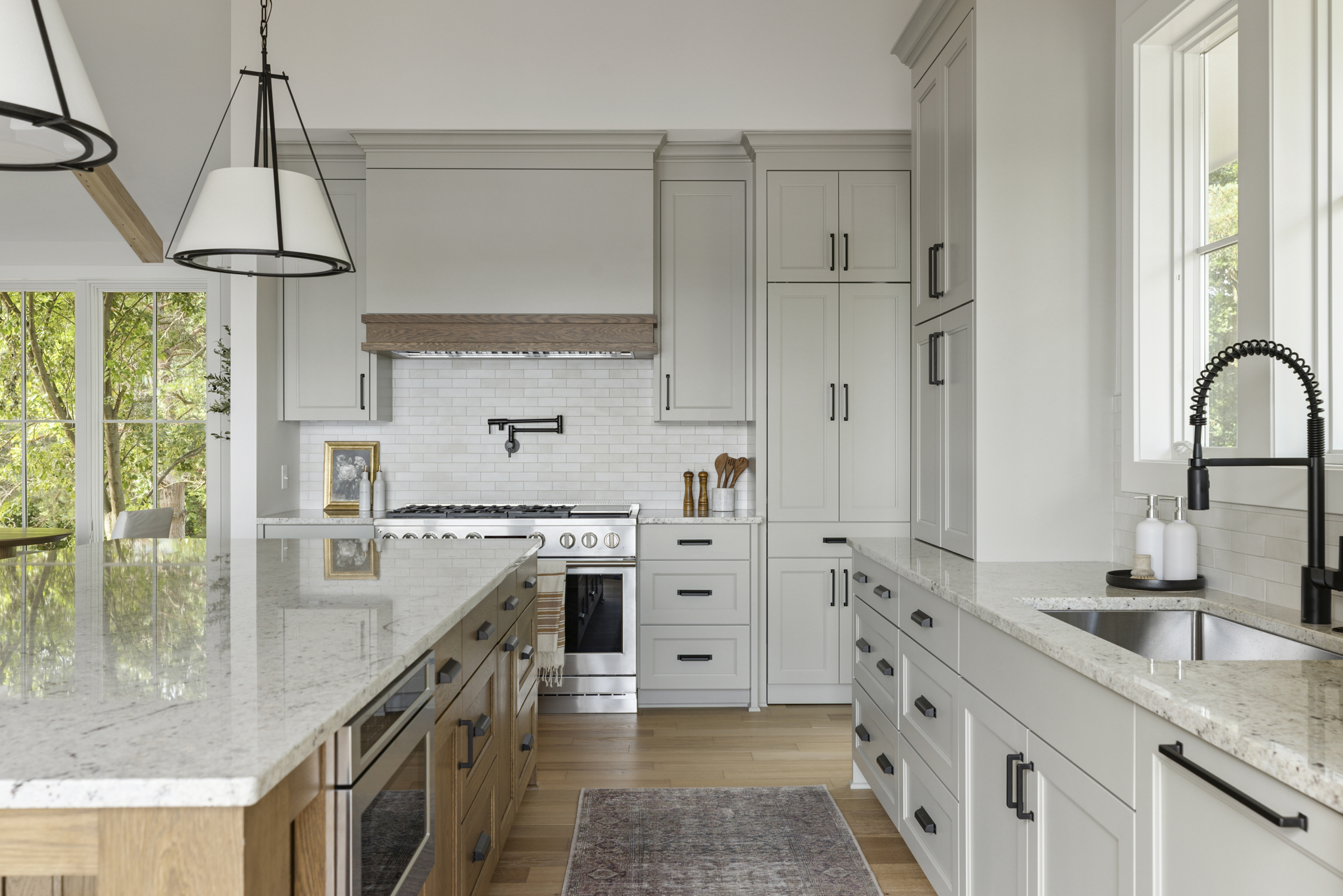
CFM stands for cubic feet per minute, and it measures how much air your hood can move. The higher the CFM, the more powerful the hood. A common baseline for residential kitchens is around 300 CFM, but many ranges, especially gas ranges, require more depending on their BTU output.
Here’s where things get important:
Once you hit around 300 CFM or higher, many building codes require a makeup air system, which will run you thousands of $$.

What Is a Makeup Air System (and Why It Matters)
A makeup air system brings fresh air back into your home to replace the air your hood is removing. Without it, your home can experience:
- Negative air pressure
- Draft issues
- Reduced HVAC efficiency
- Even backdrafting from fireplaces or furnaces
In simple terms, if your hood is pulling air out, something needs to replace it.
Not every home requires a makeup air unit, but once you reach certain CFM levels (often 300+ depending on local codes), it becomes an important consideration. Your builder or HVAC professional can guide you on what’s required in your area.

Design Options: Where Style Comes In
Custom wood hoods are one of the most popular options. These can be designed to match your cabinetry or stand out as a statement piece with unique shapes, trim, or finishes.
Plaster hoods offer a soft, organic look and are often seen in modern, Mediterranean, or European-inspired kitchens. They bring a subtle texture that feels high-end and timeless.
Metal hoods, such as stainless steel or brushed finishes, lean more modern or industrial. They’re durable, easy to clean, and make a bold statement.
Cabinet-integrated hoods are perfect if you want a more hidden look. These are built into cabinetry and keep the kitchen feeling seamless and minimal.
Final Thoughts
A kitchen hood is one of those features where function really does matter. The right size, proper clearance, and adequate power will make a noticeable difference in how your kitchen performs every day.
But once those basics are covered, the hood becomes a major design opportunity. Whether you go bold with a custom statement piece or keep it minimal and integrated, it can anchor your entire kitchen!
Looking for more home-related tips, tricks, and resources? Join our email list for the latest and greatest Alma Homes updates, and follow us on Instagram for more inspiring home and design content.
Love our website? Use code ALMAHOMESSENTME for 10% off any Tonic Site Shop website template.