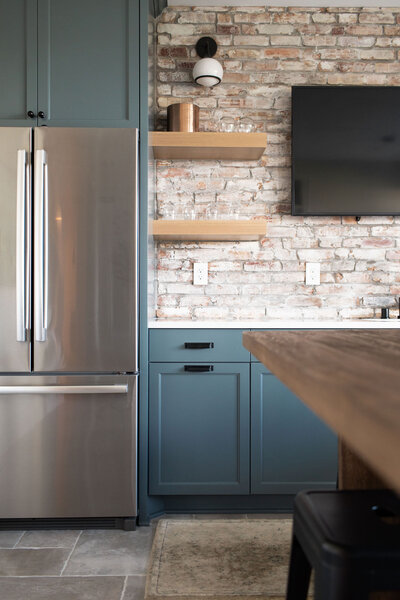
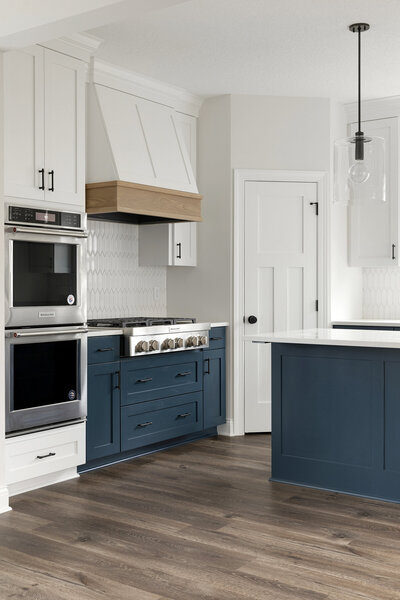
Tile might seem like one of those simple design decisions. However, often when you walk into a showroom, see a wall of different shapes, colors, and materials, you might get overwhelmed. With so many options, it helps to understand the basics before falling in love with something beautiful. Think of this as your crash course in the world of tile.
How To Make Basic Tile Look Expensive
Tile Materials
Marble tile is one of the most classic and timeless options, but it comes with a steeper price than most. It has beautiful natural veining and a luxurious feel that works well in bathrooms, kitchens, and backsplashes. Because marble is a natural stone, it does require a little more care and sealing than other materials, but many homeowners love the character it develops over time.
Ceramic tile is one of the most common and budget-friendly options. It’s versatile, easy to maintain, and available in endless colors and styles. Ceramic works well for backsplashes and lighter-use areas.
Porcelain tile is similar to ceramic but denser and more durable. It’s highly resistant to moisture and wear, which makes it a great choice for floors, showers, and high-traffic areas. Porcelain tiles are also designed to mimic natural materials like marble or stone.
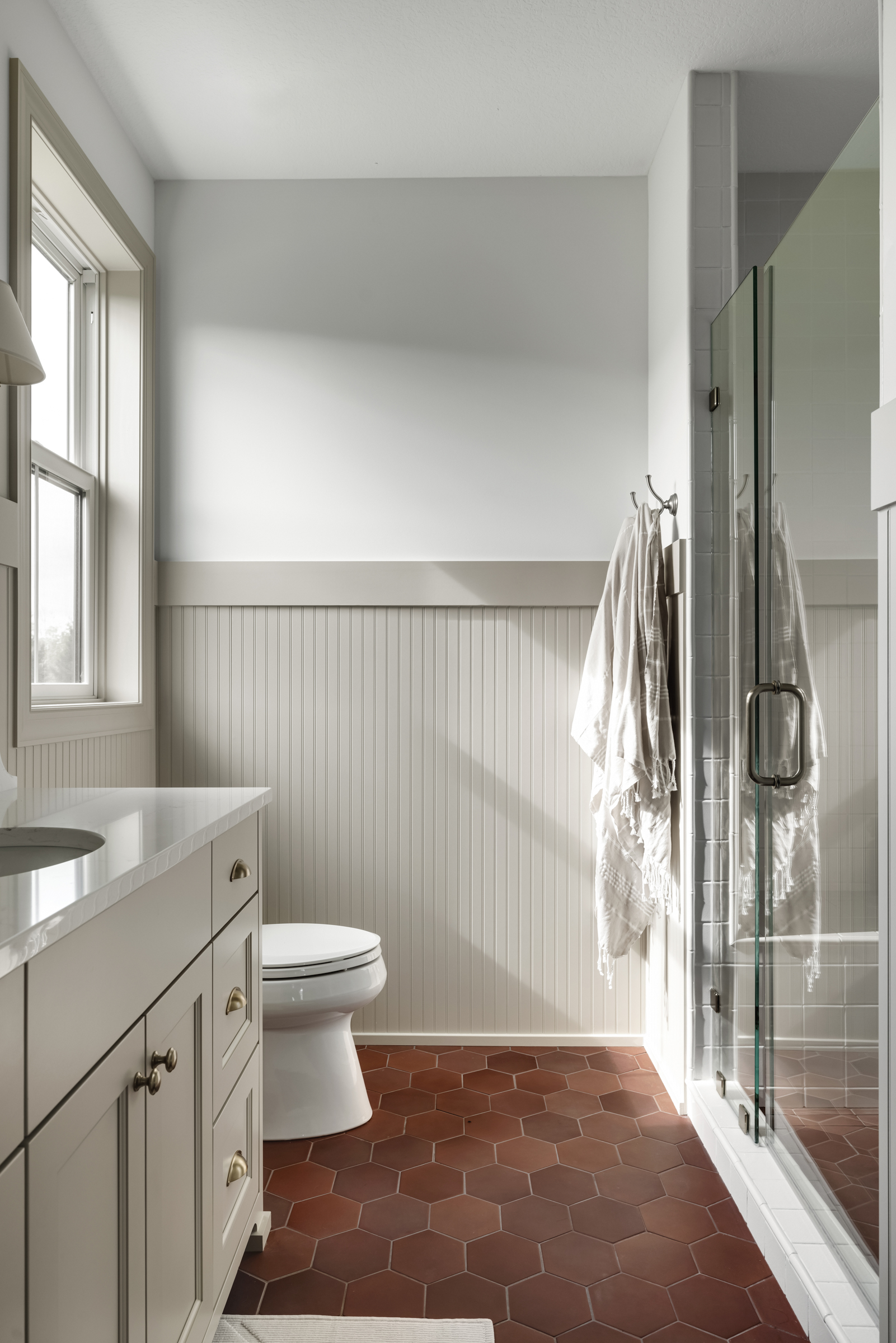
Terracotta tile brings warmth and character with its earthy tones and handmade feel. It’s commonly used in rustic or Mediterranean-inspired spaces and creates a cozy, natural look.
Mosaic Tiles

Mosaic tiles are small tiles arranged in patterns on mesh sheets, making them easy to install rather than placing each tiny tile individually.
One of the most recognizable mosaic styles is penny round tile, which uses small circular tiles to create a playful, textured surface. These are popular for bathroom floors and shower niches.
Hexagon mosaics are another favorite. Their geometric shape adds interest without feeling overly busy, and they work well in both modern and traditional homes.
Herringbone mosaics create a zig-zag pattern that instantly adds movement and sophistication to a space. You’ll often see this pattern used for kitchen backsplashes or shower walls.
Many mosaics also use natural materials like marble, creating beautiful mixes of texture and tone.
Classic Tile Shapes
Square tiles offer a clean and balanced look that works well in both modern and traditional designs. They come in different sizes, finishes, and applications such as floors and walls.
Rectangular tiles, especially the classic subway tile, are a very popular tile. The typical layout for subway tile is a horizontal brick pattern, but it can also be stacked vertically, arranged in herringbone, or installed in creative layouts.
Hexagon tiles also fall into the classic category. Their honeycomb-like pattern adds subtle interest while still feeling timeless.
The Fun Tiles

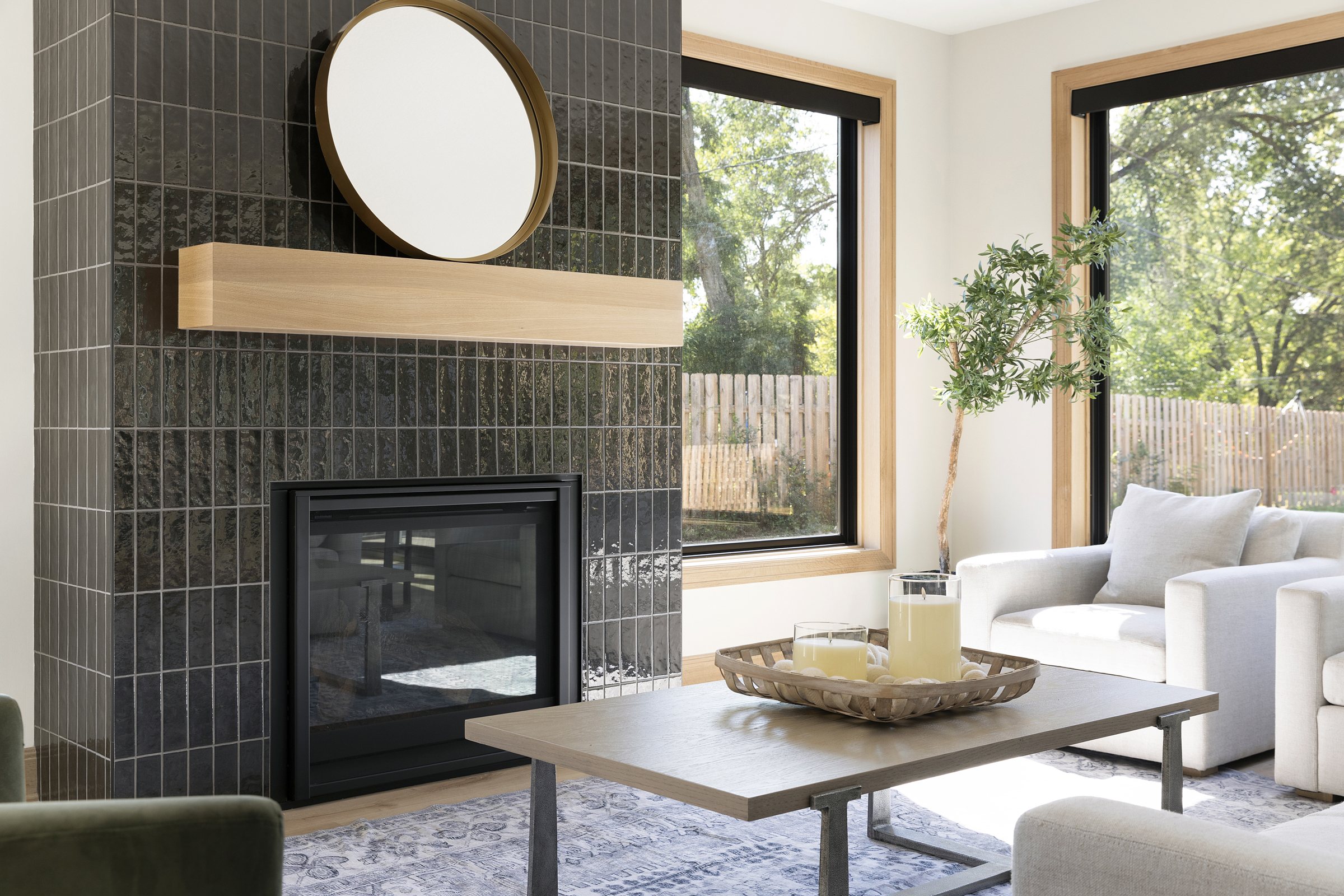
Zellige tile has become incredibly popular in recent years. These handmade tiles have slight variations in color and surface texture, which creates a beautifully imperfect, reflective look. We love seeing them used in kitchens and bathrooms to add depth and movement.
Star and cross tiles create intricate, repeating patterns that feel both historic and artistic. They’re gorgeous as statement floors in mudrooms, laundry rooms, or bathrooms!
Checkered tile is another design classic that has recently made a strong comeback. Whether done in marble, porcelain, or ceramic, the alternating pattern adds instant visual impact.
You’ll also see many marble-look or stone-look tiles made from porcelain. These mimic natural materials but are often more durable and lower maintenance compared to real marble.
FAQs
Is marble tile worth it?
Marble requires a little more care such as sealing, but many people love the natural patina it develops over time.
What tile is best for a shower floor?
Smaller tiles, like mosaics, tend to work best because they provide more grout lines, which help with traction. Plus, showers floors slope toward the drain making smaller tiles more functional, since larger tiles require to be cut up to achieve the slope.
Is subway tile still in style?
Yes. The key to making it feel fresh is experimenting with layout patterns, grout color, or slightly different proportions.
How do you choose the right tile?
Start with the material based on where it will be used, since not every tile can be used on every surface. Then choose the shape and pattern that fits your style and the scale of the space.

Final Thoughts
Tile is one of the most flexible design elements in your home. It can be subtle and classic, bold and artistic, or somewhere in between.
Once you understand the basic materials, shapes, and patterns, choosing tile becomes much easier. And sometimes the right tile can turn an ordinary wall or floor into one of the most beautiful features in your home.
Looking for a full, in-depth guide for custom cabinet design? Grab our
Cabinet Guidelines Digital Download!
Looking for more home-related tips, tricks, and resources? Join our email list for the latest and greatest Alma Homes updates, and follow us on Instagram for more inspiring home and design content.
Love our website? Use code ALMAHOMESSENTME for 10% off any Tonic Site Shop website template.