
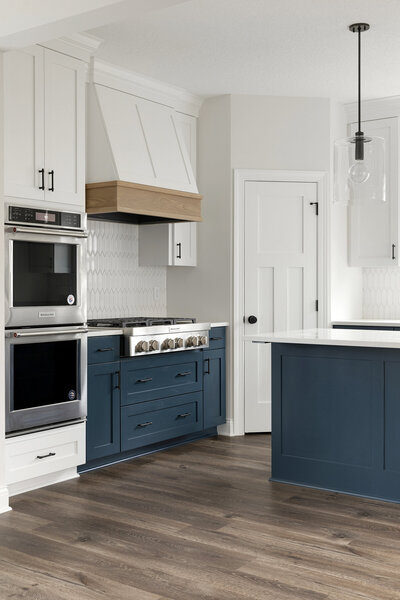
If you live somewhere with long winters, icy winds, and below-zero temps (hello, Minnesota!), designing your home for a cold climate isn’t just about comfort — it’s about performance, efficiency, and longevity. The right materials, systems, and design details can make your home cozy year-round and help lower your energy bills. Here are the most important features to include in a custom home built for cold weather.
The Must-Have: A Functional Mudroom

If you live in a cold climate, you need a well-designed mudroom. Think of it as your winter command center — a space that keeps the mess contained and makes daily life easier. Include:
- Durable, easy-to-clean flooring (like tile or luxury vinyl)
- Built-in benches and cubbies for boots, coats, and hats
- Hooks and drying space for wet gear
- A drain or boot tray area for melting snow
How to Choose the Right Mudroom Floor
Insulation & Energy Efficiency

Good insulation is the foundation of a comfortable home. In colder regions, you’ll want to go beyond the basics.
- Spray foam insulation creates an airtight seal that helps prevent heat loss and drafts.
- Rigid foam insulation adds another layer of protection on exterior walls or foundations.
- Blown-in insulation works great for attics and tight cavities, filling every little gap.
Pair that with high-quality windows and energy-efficient doors (we’ll get to those in a second), and you’ll drastically improve how your home retains heat and manages energy.
Heating Systems That Actually Warm the Space

Forced-air heating works fine, but there are upgrades that make a huge difference in comfort.
- In-floor heating (Wirsbo) provides consistent warmth and eliminates those chilly tile floors in bathrooms, mudrooms, and basements.
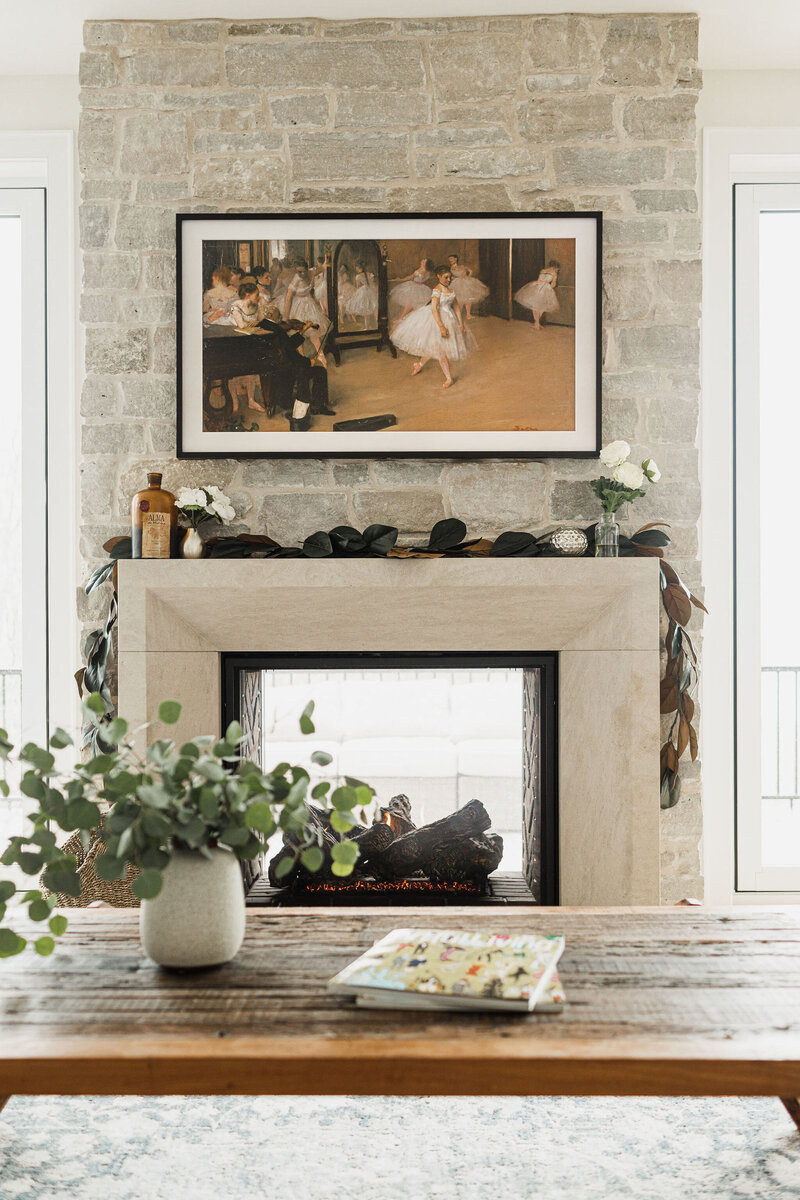
- Fireplaces — whether wood-burning, gas, or electric — add both heat and ambience. Consider putting one in your great room or even your primary suite for that cozy winter cabin feel.
Smart thermostats and zoning systems also let you fine-tune temperatures room by room, improving both comfort and efficiency.
The Only Guide You Need to Fireplace Design
Durable House Materials

Your home’s exterior needs to stand up to snow, ice, and freeze-thaw cycles. Opt for materials that can handle moisture and extreme temperatures, like:
- Fiber cement siding (low maintenance and weather resistant)
- Engineered wood siding for a natural look with added durability
- Stone or brick accents for timeless appeal and extra insulation value
And don’t forget about proper sealing and flashing details — those are key to preventing drafts and water infiltration.
A Roof Built for Snow

Roof design is especially important in cold climates. A steeper pitch helps snow slide off rather than collect and cause ice dams. Consider metal roofing, which is durable, low-maintenance, and great for shedding snow. Heated roof cables can also be installed to keep ice from building up in valleys and gutters.
6 Roof Materials for Your New Build
Foundation Designed for Frost

In freezing climates, your foundation should be built below the frost line to prevent cracking and shifting. Many homeowners also opt for insulated concrete forms (ICFs) or rigid foam board insulation along the foundation walls to improve energy performance and keep basements warmer.
Energy-Efficient Windows & Doors

High-performance windows and doors make a massive difference in comfort and heating costs. Look for:
- Triple-pane glass for maximum insulation
- Low-E coatings to reflect heat back inside during winter
- Warm-edge spacers to reduce condensation between panes
Make sure doors are well-insulated and have tight weatherstripping — even a small draft can make a room feel much colder than it is.
6 Ways to Tell If You Need New Windows
Thoughtful Landscaping

Landscaping might not be top of mind during winter, but it can play a big role in energy efficiency. Deciduous trees provide shade in the summer but let sunlight in during the winter, while evergreens can act as windbreaks to block cold northern winds. Heated driveways or snow-melt systems are another luxury that can make life easier when the snow piles up.
Here’s a link to a life-saving spigot! Don’t forget to use almahomes10 for 10% off
Building a home for a cold climate doesn’t just mean cranking up the heat — it’s about designing smart, from the ground up. With proper insulation, durable materials, and thoughtful design features, you can create a home that’s warm, efficient, and ready for whatever winter throws your way.
Looking for more home-related tips, tricks, and resources? Join our email list for the latest and greatest Alma Homes updates, and follow us on Instagram for more inspiring home and design content.
Love our website? Use code ALMAHOMESSENTME for 10% off any Tonic Site Shop website template.